About
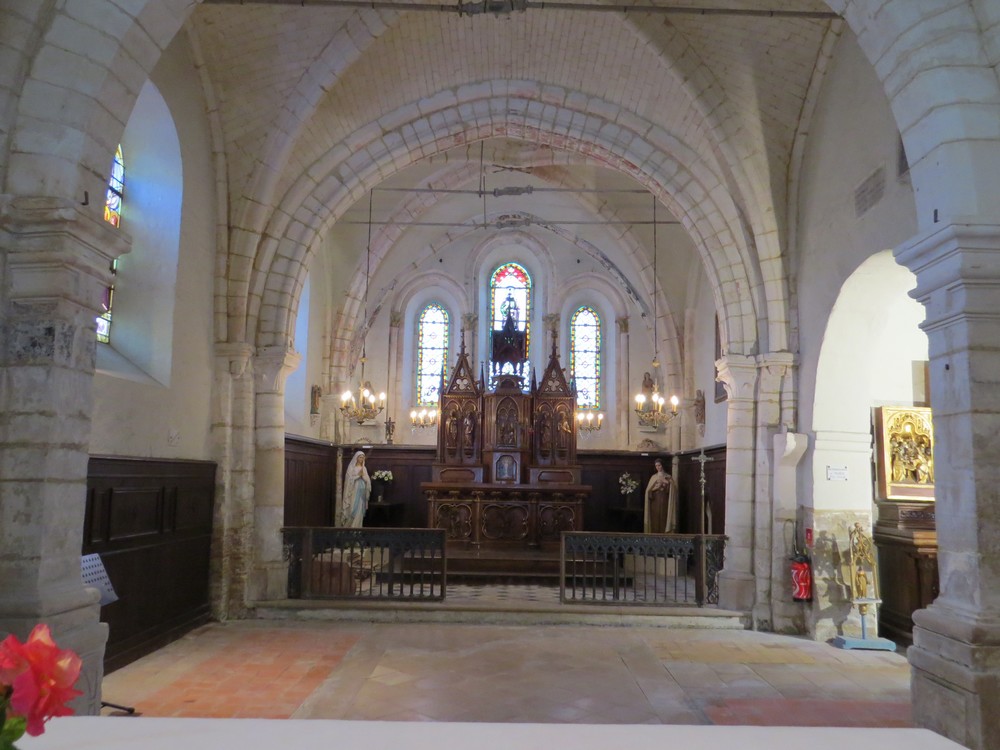
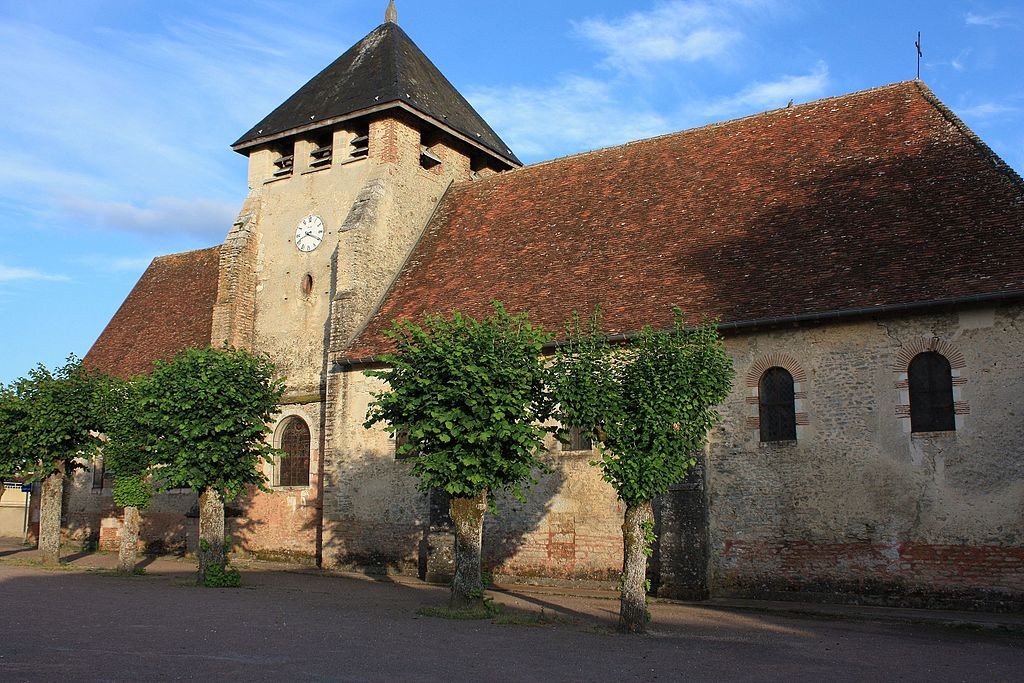
Partly built in the 12th century, it has no transept, and its Mary chapel dates from the 16th century.
The building's originality lies in its ogival vessel shape. It dates from the late 11th century, with a fairly recent stone altar dedicated to Notre-Dame de La Salette and a nave dating from the early 12th century.
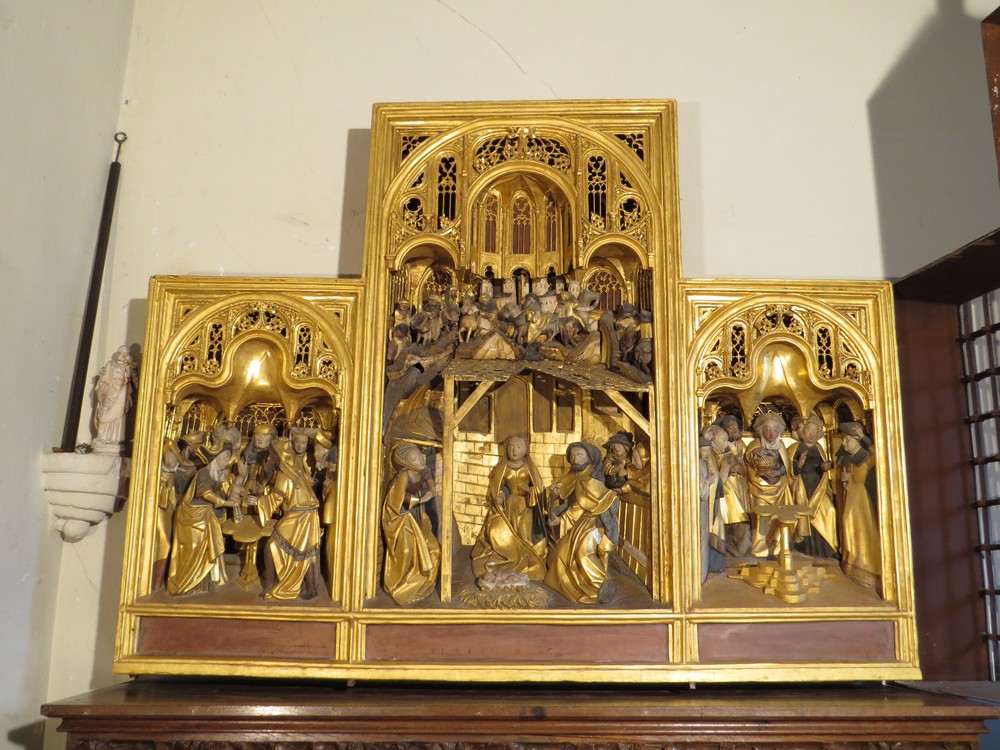
Its statuary dates mainly from the 15th century, with an altarpiece* representing the Nativity, the Presentation in the Temple and the Circumcision from the Antwerp workshop in polychrome wood. Mary in wood... and from the 16th century: Antoine in polychrome limestone . 16th-century Savine in polychrome limestone.
Its painted ceiling depicts St. Matthew, St. Mark, St. Luke, St. John, the Rosary and 17th-century angels.
(*This altarpiece, comprising three scenes (Nativity, Presentation in the Temple, Circumcision) is thought to have been produced by Flemish sculptors and to date from the 4th half of the 15th century. Remarkable for the finesse of the figures' features and the precision of their gestures, it has been listed as a Historic Monument since 1894. This altarpiece is a rare example of furniture by Flemish sculptors in France).
Rate
Gratuit